
By Albert David
In every functioning democracy, transparency is not a luxury, it is a constitutional obligation. And in Sierra Leone, few institutions embody that obligation more consistently than the National Election Watch (NEW), the country’s most credible, transparent, and internationally respected domestic election‑monitoring body. That is why the recent events in Makeni during the Paramount Chieftaincy elections have raised deep national concern.
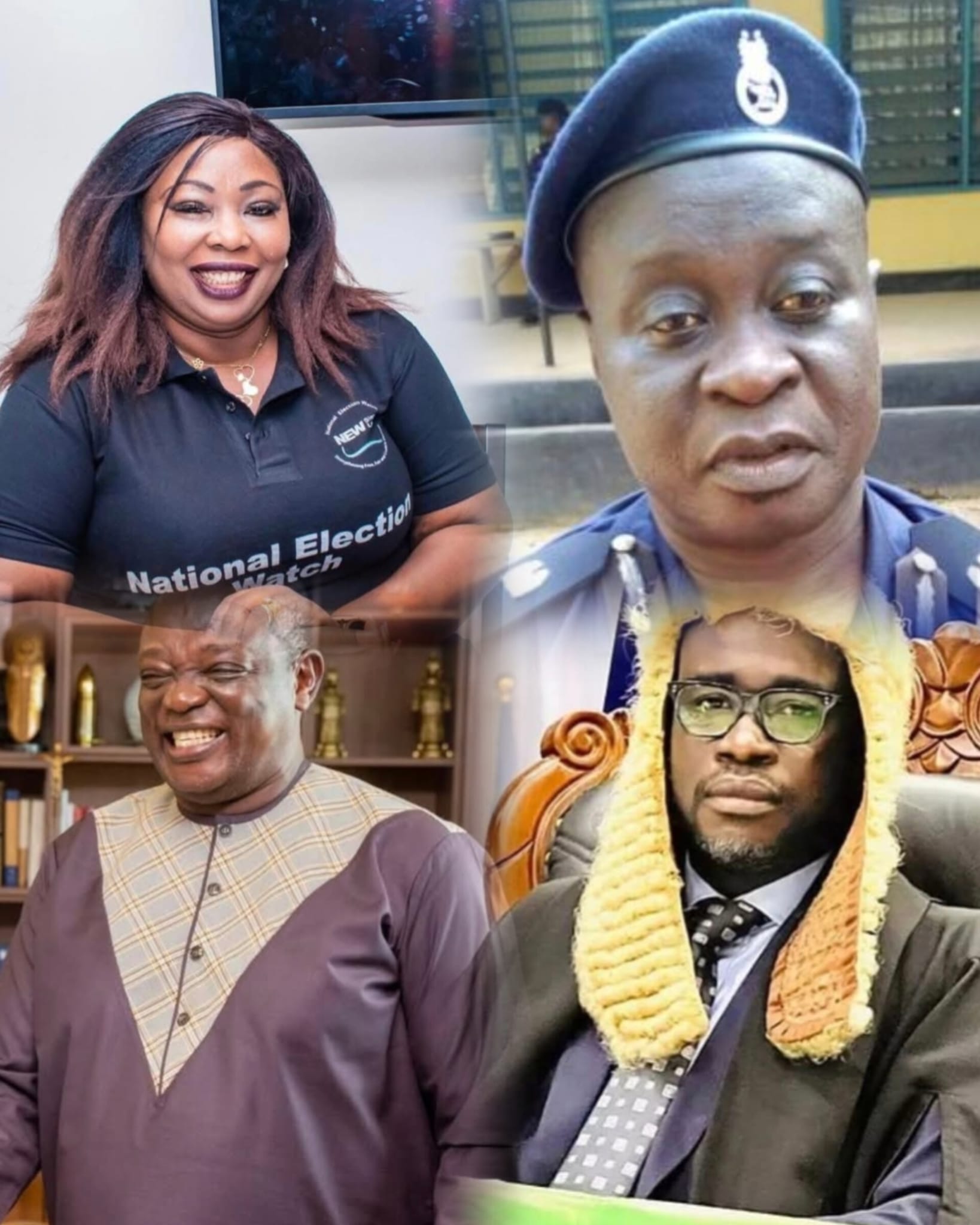
NEW sought and obtained accreditation from the Electoral Commission for Sierra Leone (ECSL) to observe the elections. They monitored the process peacefully and professionally. But when the time came for the most sensitive and decisive stage, the counting of votes, a regional police commander ordered officers to march NEW observers out of the counting hall. This action is not only troubling. It is disturbing, unethical, undemocratic, and constitutionally worrying.
The 1991 Constitution provides clear protections that support the work of independent observers. Section 5(2)(a)- The security, peace, and welfare of the people shall be the primary purpose of government. Transparent elections are essential to peace and welfare. Section 26- Freedom of assembly and association. Election observers operate under this civic freedom.
Section 25- Freedom of expression. Observation and reporting are expressions of civic participation. Section 32(11)- The Electoral Commission shall conduct elections “in such manner as to ensure that the elections are free and fair.” Free and fair elections require independent oversight. Section 13(b)- Every citizen has the duty to “protect and preserve public property and prevent the misuse and waste of public funds.” Election monitoring is part of this civic duty. Removing accredited observers from the counting process undermines these constitutional guarantees.


Counting is the heart of any election. It is where transparency is most needed. It is where trust is either built or destroyed. When observers are expelled at the moment of counting, public confidence collapses, suspicions rise, the credibility of the outcome is weakened, the integrity of the process is questioned, and the nation’s democratic credentials suffer. This is not just an administrative issue. It is a constitutional betrayal of the principles Sierra Leone has fought to uphold since the end of conflict.
NEW is not a political actor. It is not a partisan group. It is a respected civil society coalition with decades of experience, international recognition, a track record of professionalism, and a mandate to promote transparency. Their presence strengthens legitimacy. Their absence weakens it. To remove NEW from the counting process is to remove the eyes of the nation at the most critical moment.
The decision by a regional police commander using ‘orders from above’ to order officers to march NEW out of the counting hall raises serious questions. Under what legal authority was this done?. Why intervene only at the counting stage?. Why contradict ECSL accreditation?. Why obstruct transparency instead of protecting it?. Security forces exist to protect the process, not to control or manipulate it. When police actions appear to undermine transparency, the public interprets it as oppressive, manipulative, deceptive, undemocratic, and damaging to national stability. This perception alone is destabilizing.
Democracy is not only about elections, it is about trust. And trust is built through openness, accountability, transparency, equal access,and independent oversight. When these are blocked, the consequences are civic frustration, political tension, declining institutional legitimacy, weakened rule of law, reduced investor confidence, and long‑term developmental setbacks. No nation develops when its democratic processes are shrouded in secrecy. If Sierra Leone is to protect its democratic gains, institutions must respect accreditation procedures, uphold constitutional rights, allow independent observation, ensure transparent counting, prevent security overreach, and guarantee equal access for all observers. Anything less is unprincipled, unethical, and democratically dangerous.
The exclusion of NEW from the counting process in Makeni is more than an administrative misstep. It is a warning sign, a signal that democratic norms are under pressure. A nation cannot claim democratic maturity while obstructing the very institutions that safeguard transparency. Sierra Leone deserves better. Its citizens deserve better, and its Constitution demands better. The path forward requires openness, accountability, respect for observers, adherence to the law, protection of civic freedoms, and unwavering commitment to democratic integrity. Anything else is a step backward.