
By Consortium of DIB Media Gurus.
In Sierra Leone’s political landscape often marked by regional and ethnic fault lines, Dr. Ibrahim Bangura, Associate Professor of Peace and Conflict Studies at Fourah Bay College and leading All People’s Congress (APC) flagbearer aspirant for the 2028 presidential elections, is charting a different course—one of deliberate, grassroots engagement across Sierra Leone’s diverse tribal and regional communities.
Through his ongoing “Meet the People Tours” and Ramadan Iftar initiatives, the leader of the DIB Movement has traversed the length and breadth of the country, listening to ordinary citizens, consulting traditional authorities, and distributing aid while preaching a powerful message of national unity. His recent activities, particularly in the south-east, underscore a commitment that transcends traditional APC strongholds in the north.

In March 2025, Bangura launched nationwide Iftar tours, beginning with Kambia and Port Loko districts—home to Temne, Limba, and related groups—where his team distributed thousands of bags of rice and gallons of cooking oil to Muslim communities observing Ramadan. The second phase extended to Falaba, Koinadugu, Bombali, Tonkolili, and Karene, reinforcing ties in northern heartlands while emphasizing inclusive development.
The tours then boldly ventured into traditionally SLPP-dominated south-eastern territories. From March 23 to 25, 2026, Bangura toured Bo, Kenema, and surrounding areas, engaging APC structures, paying tribute to loyal party members, and addressing large crowds with calls for peace and unity. Cultural performances and emotional outpourings marked these stops, as residents responded warmly to his vision of healing past divisions.
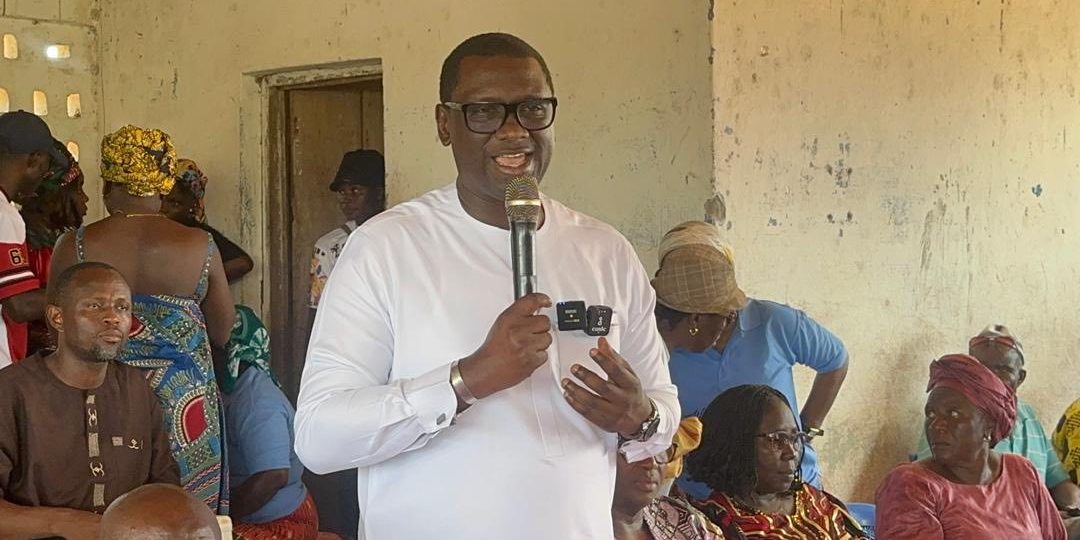
Most recently, on April 10, 2026, en route to Pujehun, Bangura made a strategic stopover in Jendema, the key border town with Liberia in Sorogbema Chiefdom. There, he held meaningful consultations with Paramount Chief Mustapha Jenje Massaquoi III and sub-chiefs, discussing community development, cross-border relations, peace, and citizen participation. The engagement was framed as a listening exercise, allowing border residents to voice concerns while the DIB Movement reaffirmed its pledge to people-centred governance. In Pujehun itself, he continued outreach to grassroots women and local leaders, with reports of “a sea of support” and moving speeches that brought tears to many eyes.
Bangura’s approach is methodical and symbolic. He has visited mosques and churches alike, engaged paramount chiefs across ethnic lines (Temne, Limba, Mende, and others), and addressed mixed urban crowds in places like Waterloo, where thousands of youth, women, market traders, and okada riders turned out in November 2025. His core message remains consistent: “Sierra Leone is for every Sierra Leonean, regardless of tribe, region, or background.” Drawing on his expertise in peace and conflict studies, he advocates healing from “bad governance” that affects all citizens equally, rejecting divisive politics in favour of a “new journey, a shared future.”
This extensive outreach is more than symbolic—it is strategically brilliant. In a nation where ethnicity and region have historically influenced voting patterns, Bangura’s ability to penetrate Mende-dominated south-eastern districts and earn the respect of traditional authorities and signals his potential as a genuine national unifier. The visible support, large turnouts, and positive local feedback are building momentum and loyalty ahead of the APC flagbearer selection and the 2028 general elections.
Critics may dismiss such tours as routine politicking, but the consistency, humility (including respectful engagements with chiefs), and tangible aid distribution portray Bangura as accessible and service-driven rather than elitist. His academic depth combined with on-the-ground presence positions him as a mature leader capable of bridging divides.
As Sierra Leone looks toward 2028, Dr. Ibrahim Bangura’s nationwide engagements are winning hearts and reshaping perceptions. By reaching across tribal lines with a message of unity, he is not only marketing his political ambition effectively—he is demonstrating the very leadership qualities the nation needs: inclusive, compassionate, and forward-looking. The DIB Movement’s momentum suggests that many Sierra Leoneans are ready for this new chapter of healing, unity, and building together.